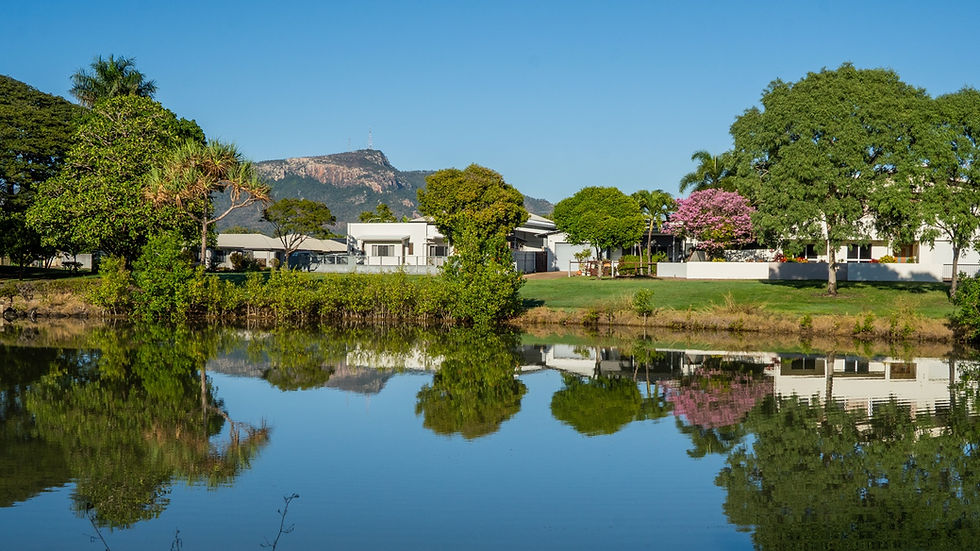
Clearing the Way: restoring Fairfield Freshwater Wetlands for wildlife and the community
Targeted action by Townsville City Council helps restore function, improve water quality and support wetland health.
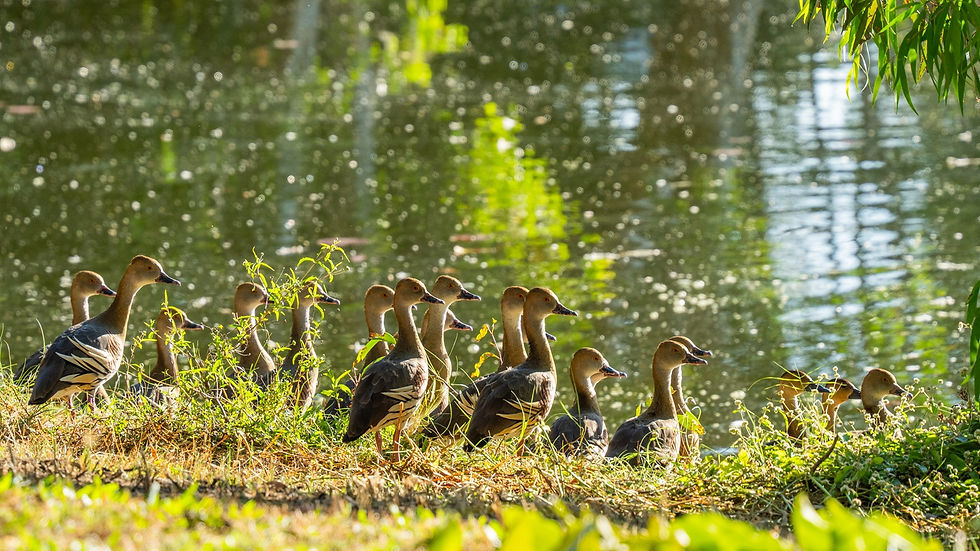
Tucked within the suburb of Idalia, Fairfield Freshwater Wetlands is one of Townsville’s most accessible natural spaces. A place where locals can get close to hundreds of our feathery friends, from ducks and spoonbills to cormorants.
Because it’s connected to groundwater, Fairfield Wetlands holds water year-round while other wetlands can dry out. This makes it a critical habitat and haven for waterbirds seeking food and shelter.
But like all living systems, wetlands rely on balance.
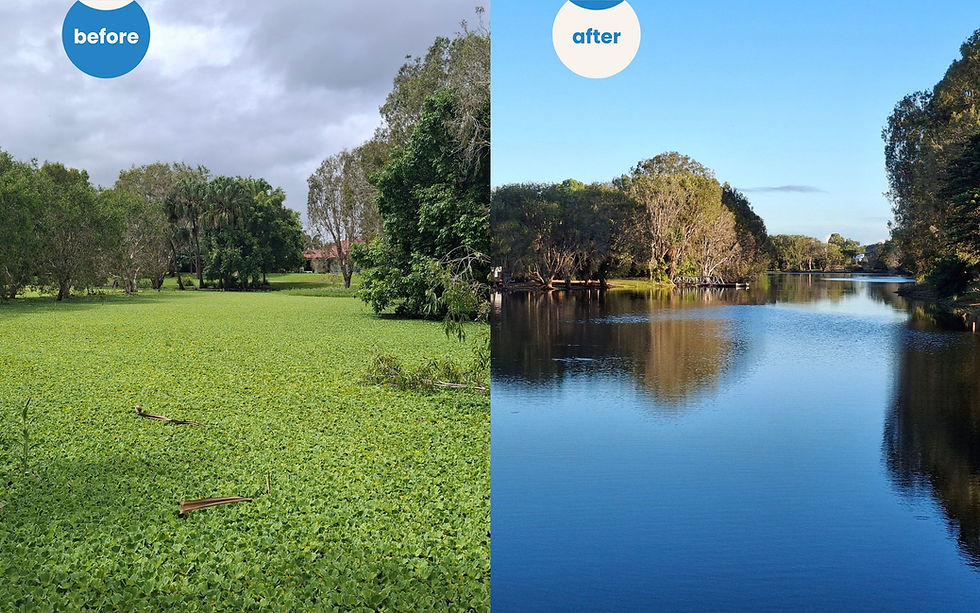
Following a cycle of heavy rain and hot, still conditions during the recent wet season, an invasive floating plant called water lettuce spread rapidly across the wetlands. At its peak, it covered around 95% of the water’s surface.
The dense mat blocked sunlight, restricted water flow and lowered oxygen levels in the water, leading to reduced water quality and placing stress on fish, turtles and other aquatic life that relies on the wetland to survive.
In response, Townsville City Council undertook an intensive nine-day recovery effort to reopen the wetland, removing about 180 wet tonnes of water lettuce to improve the wetland’s ecological health.
Stepping in to restore the system
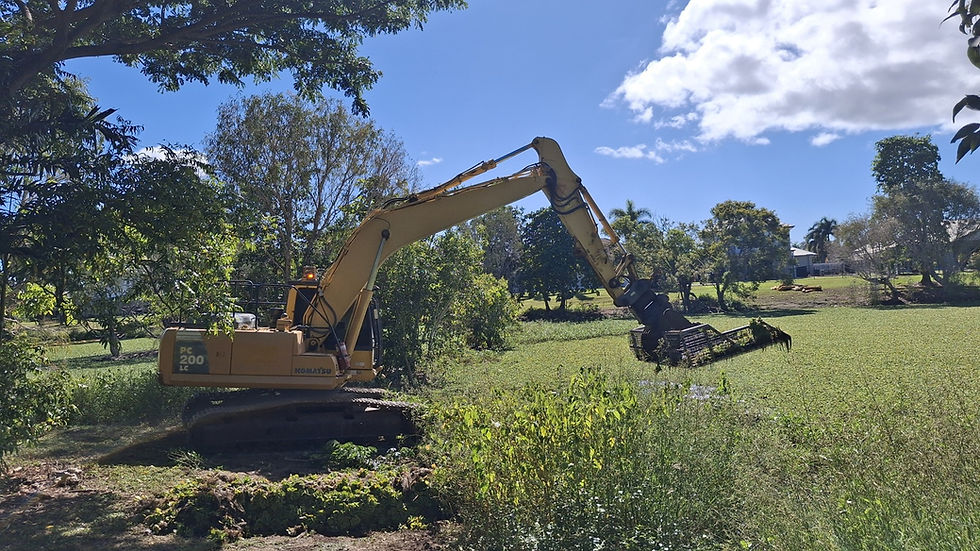
Townsville City Council staff and contractors used excavators fitted with custom sieve buckets, along with floating booms and coordinated crews along the banks, to remove an estimated 510 cubic metres of water lettuce. That’s about the volume of 15 shipping containers!
Council’s Environmental Operations Management Senior Officer David Coley said removing the weed was about more than just clearing the surface.
“By physically removing the weeds, we’re also taking the nutrients that fuel them out of the system. It’s a long-term, environmentally responsible approach to managing the wetland.”
Mechanical removal was chosen over chemical methods. While herbicides may seem quicker, they can leave decaying plant matter in the water, adding nutrients back into the system and increasing the risk of odour, algal blooms and fish kills.
“By the end of the program, almost 99% of the weed cover had been cleared, helping to reopen the wetland and restore balance,” Mr Coley said.
Turning a problem into a resource
In a further step toward sustainability, the removed plants didn’t go to waste.
Through Council’s Weeds to Healthy Soil program, the water lettuce will be transformed into useful products like mulch and soil blends, to enhance topsoils across Townsville’s parks and landscapes.
“It’s about closing the loop and turning a problem weed into a resource that supports the recovery of the landscape,” he said. “At Fairfield Wetlands, transformed soils have already been returned, to help rehabilitate the area where harvest operations took place.”
Supporting long-term health
Restoration doesn’t stop at weed removal. Council is trialling biological control methods, including the release of water lettuce weevils, to help manage future outbreaks.
At the same time, ongoing care continues around the wetland:
Vegetated buffer zones filter runoff and litter before they enter the water
Native plants provide shade and help keep temperatures stable
Herbicide use is kept to a minimum
These efforts all work together to maintain a balanced, resilient system that will support wildlife and enjoyment by the community for years to come.
Why wetlands matter
Wetlands are naturally dynamic systems. Not only do they support birds, fish and other wildlife, they also play an important role in improving water quality by slowing water down and allowing sediments and pollutants to settle before moving downstream.
By acting as nature’s kidneys, wetlands like Fairfield help keep local waterways healthy, and the downstream environments as well.
A shared responsibility
Caring for Fairfield Wetlands is a shared effort, and the community plays an important role.
Simple actions can make a big difference:
Keep grass clippings out of gutters
Reduce fertiliser use and consider compost alternatives
Prevent litter from entering stormwater drains
Every small action helps protect this special nature pocket, ensuring Fairfield Wetlands remains a haven for wildlife and a place for the community to enjoy.